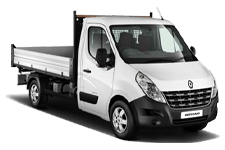
Transporting a team alongside tools and machinery requires balancing passenger seating against secure cargo volume. Getting that split wrong means either someone travels separately or vital kit gets left behind. Mapping out both requirements before choosing a vehicle keeps the entire job running smoothly.
Examine Arrival Points and Parking Limits
Restricted height barriers, sloped driveways, and narrow access tracks dictate how tall or long your van can safely be. Check whether your work destination provides sufficient turning space for an extended wheelbase or if overhead clearances demand a standard roof profile instead.
Calculate the Split Between Seats and Payload
List every toolbox, crate, and passenger before settling on a specific category. A crew van provides a second row of seats but reduces rear load length, whereas a traditional panel van maximises cargo floor depth at the expense of passenger capacity.
Assess Driver Comfort and Handling Demands
Navigating a heavily laden commercial vehicle across mixed roads feels noticeably different from operating an everyday car. Consider who will take the wheel, their confidence with larger mirrors and wider turn radiuses, and whether an automatic transmission might help reduce fatigue over long working days.
Confirm Reservation Details and Terms Early
Fleet availability can shift quickly during peak trade periods, making prompt arrangements sensible to protect your working schedule. When speaking with hire providers, ask directly about their driver verification procedures, deposit arrangements, and what policies apply if several colleagues need to share driving duties.
Questions before you book
How do I choose between a crew cab and a panel van in Wenvoe?
Total passenger numbers usually settle this decision right away. When more than three people must travel in one vehicle, a crew cab is essential, provided your remaining equipment still fits safely within the shortened cargo area.
What details should I clarify before confirming the hire?
Enquire about branch operating hours for collection and return, fuel replacement terms, and the exact credentials required for each named driver. Clarifying these points beforehand avoids administrative hold-ups on the morning of departure.