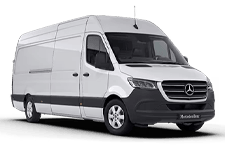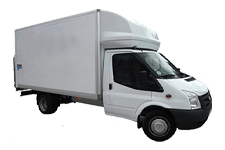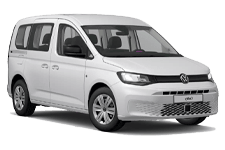
Balancing a work crew alongside toolboxes and supplies requires a vehicle that protects passengers and payload alike. Getting this split right before heading around St. Fagans saves repeat journeys and keeps your team productive.
Check Site Entrances and Parking Space
Narrow entrances, low arches, and tight parking spaces dictate the maximum vehicle size you can bring on site. While a long-wheelbase van carries everything in one trip, manoeuvring in confined residential roads can prove tricky. Confirm parking space at both ends and consider whether street permits will be necessary.
Balance Passenger Seats Against Load Volume
Transporting staff alongside trade gear means looking closely at cabin layouts. Crew-cab vans offer dedicated passenger seating while keeping tools securely partitioned in the rear. Fleet availability changes with daily demand, so confirming layout options well ahead of your travel date prevents compromises.
Build Generous Buffers into Your Job Timeline
Equipment setup, pack-down routines, and unexpected travel delays regularly stretch working schedules. Rushing to meet a strict drop-off slot adds needless stress if a job runs late. Adding a comfortable time cushion to your reservation lets the team finish tidying, sweep the load bay, and return calm.
Clarify Hire Terms and Handover Checks
Rental companies each maintain their own conditions regarding licences, deposits, and collection checks. Ask ahead about the exact identification and licence details drivers should bring, how mileage is tracked, and how after-hours returns are handled. Sorting these details beforehand ensures a smooth handover on the day.
Questions before you book
How do I choose the right size of van in St. Fagans?
Tally your passenger count alongside the longest items you need to carry. For mixed trips with several colleagues and bulky kit, a crew van or mid-sized panel van is often suitable. Discussing your cargo dimensions with providers will narrow down the choice.
How long should I hire a van for in St. Fagans?
Factor in transit times, packing, and unpredictable job delays rather than just driving duration. Opting for a full 24-hour booking or adding an extra morning window usually provides helpful breathing room if working on site overruns.