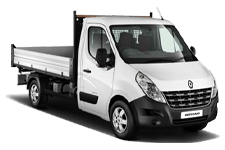
Mobilising tools and materials for a brief commercial job demands realistic vehicle planning. Taking stock of your cargo volume, handover margins, and loading bays early keeps transport from slowing the work down.
Inventory the Tallest and Widest Work Gear First
Bulky flight cases, tall displays, and long pipework quickly exhaust floor area before weight thresholds become an issue. Measure any rigid machinery or pre-packed crates before comparing payloads, checking internal wheel-arch widths alongside overall floor length. If your project relies on specific vehicle dimensions, verify internal clearances beforehand, especially as van availability across local fleets can fluctuate around busy working weeks.
Build Contingency Around Pick-up and Return Times
Collection morning often coincides with site set-up deadlines, leaving little margin for delays. Enquire about the exact vehicle handover process, how early keys can be released, and whether early drop-offs or weekend returns require specific out-of-hours arrangements. Factoring in an extra hour at either end covers vehicle condition walk-arounds and prevents unnecessary rushing during peak business hours.
Clarify Paperwork and Excess Terms in Advance
Different business hires carry varying driver requirements. Ask the provider beforehand which licence checks they perform, how many penalty points they permit, and whether your drivers need specific DVLA check codes generated. Discuss the security deposit requirements and investigate how collision damage excess is handled, ensuring whoever operates the vehicle is properly cleared before turning the ignition key.
Assess Site Clearances and Loading Restrictions
Tight access gates, low archways, and restricted kerbsides can complicate equipment transfers. Review the physical entrance of both your collection point and destination, considering whether a tail lift is needed for heavy freight or if standard rear doors suffice. Knowing your route's height clearances and parking permissions in advance prevents costly detours or awkward street handling.
Questions before you book
How do I pick the right van to hire in Winchester?
Start by measuring your longest and heaviest gear, then add buffer room for tie-downs and safe unloading. Ask providers about exact internal cubic capacity and payload limits rather than relying solely on generic wheelbase descriptions.
What details should a van hire enquiry for Winchester carry?
State your proposed collection dates, expected mileage, the nature of the cargo, and driver eligibility details. It is also wise to ask about security deposit structures and vehicle return procedures at the same time.