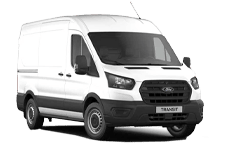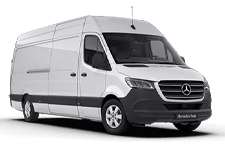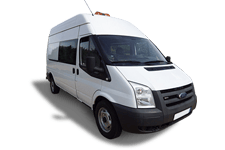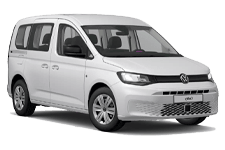
Selecting the appropriate vehicle for a crew and their gear means weighing payload capacity against passenger space. When organising project transport in St. Paul Malmesbury Without, calculating your total footprint beforehand prevents costly compromises on the road.
Identify the Core Cost Factors Early
Start by clarifying how long the rental runs and how far the vehicle travels. Rental rates shift with demand, and vehicle availability may vary across peak periods. Asking rental providers about mileage thresholds, deposit policies, and return cut-off times early on protects your team budget from surprises.
Assess Parking and Access Constraints
Narrow lanes, low canopies, and restricted gateways often dictate maximum exterior dimensions. Before committing to a high-roof or long-wheelbase model, check entrance widths and overhead obstacles at both ends of the trip. Confirming where the van can safely stand while loading prevents costly roadside bottlenecks.
Map Equipment Dimensions to Cargo Volume
Draft an itemised tally of everything your team must transport, noting bulky crates or long tools. Instead of guessing volume, compare internal load lengths and door heights against your largest items. Accounting for tie-down points ensures you never squeeze delicate freight into an overcrowded hold.
Organise Driver Credentials and Timelines
Nominate eligible drivers early and ask the hire company which licence types, age criteria, and identity documents they need to inspect. Clarify what happens if collection or return schedules slip. Resolving these operational checks in advance ensures a swift, straightforward handover.
Questions before you book
What should a van hire enquiry for St. Paul Malmesbury Without include?
State your planned dates, expected mileage, and essential cargo dimensions. It is also sensible to ask about security deposit terms, insurance options, and driver criteria during initial contact.
How do I decide which van size to ask for in St. Paul Malmesbury Without?
Measure your bulkiest equipment, tally how many crew members must travel, and assess access constraints at your venues. Sizing by physical dimensions rather than guesswork prevents hiring an unmanageable or undersized vehicle.