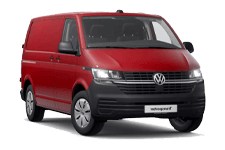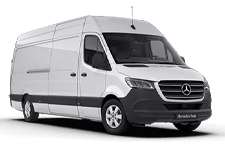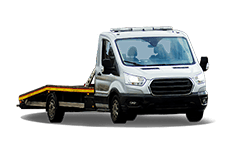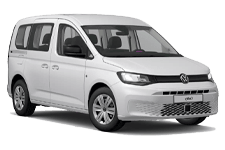
Transporting an awkward piece of furniture or heavy machinery requires realistic planning before committing to a vehicle. Measuring your largest items carefully prevents the frustration of discovering a rigid frame will not clear the rear door aperture.
Measure Door Openings Before Internal Dimensions
Bulky cargo often seems manageable on paper until wheel arches, bulkheads, or door frames obstruct the entry angle. Always compare the narrowest door frame against the widest point of your load. Gaining a few inches of clearance matters immensely when lifting heavy objects that cannot easily be tilted.
Account for Payload Beyond Floor Space
Total floor space never tells the complete story. Heavy items like stone slabs, wet timber, or workshop machinery can easily exceed maximum payload limits while leaving half the van empty. Checking the vehicle's safe carrying capacity against your intended cargo avoids dangerous handling and mechanical strain.
Match Vehicle Dimensions to Rural Thoroughfares
Navigating country lanes, steep hills, and narrow access tracks demands an honest appraisal of the driver's confidence. While an extra-long wheelbase van might take everything in a single run, a more compact model often proves far less stressful to manoeuvre through rural gaps.
Clarify Schedules and Rental Terms Early
Allow a generous buffer for securing ratchet straps, handling delays, and refuelling before return. Vehicle availability can vary across peak periods, so securing a booking early is advisable. You can also ask the hire desk directly about deposit requirements, insurance options, and acceptable driver documentation.
Questions before you book
How do I pick the right size of hire van in Gwernyfed?
Measure your largest cargo item across length, width, and diagonal depth. Compare these exact numbers against the internal load bay dimensions and the vehicle's door entry frame to ensure you can load without obstruction.
What else should I think about when hiring a van in Gwernyfed?
Raise questions with the hire company regarding deposit handling, fuel return rules, and collection times. Additionally, review your route for practical challenges such as low tree canopies, single-track bridges, or tight turning points.