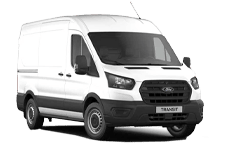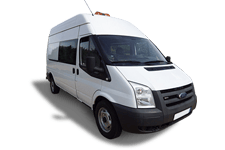
Selecting the right van in Fakenham often means balancing internal volume against confidence behind the wheel. A compact model navigates tight spots with ease, whereas a larger vehicle cuts down on repeat journeys. Weighing these practical trade-offs early helps ensure a relaxed, well-paced day.
Mapping Out Your Schedule and Journey Distance
Factoring sufficient travel time into your hire avoids unnecessary rush, especially if your load demands multiple runs. Smaller vans handle easily but might require an extra shuttle, which alters your schedule and fuel spend. Because fleet availability fluctuates across peak weekends, securing your dates early gives you the best chance of finding a suitable model.
Walkaround Checks Prior to Leaving
Spending five minutes walking around the van ensures pre-existing scuffs are properly noted before you depart. Check tyres, wing mirrors, and the rear cargo interior alongside the representative, asking how fuel reconciliation operates. You might also ask how after-hours returns are managed if your task runs past closing time.
Clarifying Paperwork and Verification Details
Every hire counter follows specific driver-check procedures, so ask what paperwork they need before heading out. Enquire whether an online DVLA share code is required, what payment cards are accepted for the deposit, and which address proofs fit their criteria. Sorting these questions early avoids last-minute desk delays.
Assessing Cargo Dimensions and Damage Protection
Awkward loads demand attention to rear door clearance and internal height, not just nominal volume. While explaining your cargo, ask the team about damage excess levels and whether overhead impacts are covered under standard terms. Knowing what protection is included keeps your focus firmly on the drive itself.
Questions before you book
How far ahead should I book a van in Fakenham?
Arranging your booking a week or two beforehand is wise, as seasonal demand can quickly limit your choice of van sizes.
What should I check when I collect a hired van?
Inspect panels for existing damage, verify the fuel gauge, test lights, and confirm height clearances before driving onto public roads.