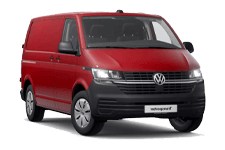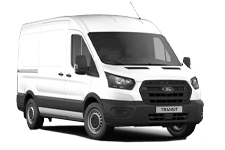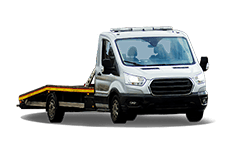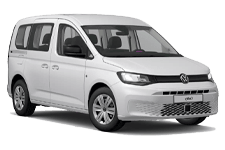
Moving colleagues alongside tools or display gear requires balancing cabin seating with cargo room from the outset. Outlining these priorities early prevents reserving a vehicle that leaves either materials or team members stranded.
Clarify Terms and Hire Conditions Promptly
Discuss deposit requirements, mileage allowances, and insurance provisions with the hire firm straight away. You might ask what endorsements are permitted on a driving licence or whether supplementary drivers incur added charges. Sorting these administrative points early ensures no surprises on departure morning.
Map Out Gear Volumes Against Passenger Needs
Cargo space decreases rapidly once you specify extra seating rows for workmates. Group your equipment by bulky crates versus loose tools, noting any items that cannot be stacked safely. Sharing these approximate dimensions helps staff suggest suitable vehicle layouts, though seasonal fleet availability can vary when dates approach.
Schedule Around Load Times Rather Than Distance
Driving time forms only one component of a busy working itinerary. Factor in realistic windows for securing equipment safely, navigating rural lanes, and refuelling before drop-off. Enquire about the provider's out-of-hours return policies if your project might overrun into the evening.
Confirm Access Clearances and Driver Details
Narrow lanes, low archways, and restricted parking can challenge longer wheelbases. Check any vehicle height restrictions at both your collection point and destination. It also pays to ask what identification or proof of address the designated driver must present when collecting keys.
Questions before you book
What should I prepare before enquiring about van hire in Docking?
Collate your planned dates, passenger numbers, and an outline of bulky cargo. You should also prepare queries regarding security deposits, acceptable driving licences, and fuel return conditions.
How do I work out which size of van to ask about in Docking?
Calculate how many people require belted seats alongside the cubic space your gear demands. Double-cab options accommodate extra crew, whereas long equipment may require a dedicated long-wheelbase or Luton van instead.