Choosing the right commercial vehicle for a crew often hinges on separating passenger needs from equipment bulk. When multiple workers and heavy kits travel together, taking stock of cab arrangements alongside payload limits makes every Cressing project run significantly smoother from the start.
Clarify terms, deposits, and driver checks early
Administrative requirements differ across rental desks, so confirming them beforehand saves valuable turnaround time on collection morning. Enquire directly about what driver verification checks must be completed, what excess levels apply, and whether particular security deposit methods are preferred. You may also want to ask if shared-driving options can be registered should your team need to swap at the wheel during a long shift.
Build generous contingency into your schedule
Rushing a drop-off frequently creates unnecessary pressure or avoidable late penalties. Factor in generous leeway for unexpected road delays, secure strapping of awkward tools, and routine loading pauses. Asking hire desks about their grace periods, weekend return policies, and out-of-hours drop boxes will help safeguard your working schedule if on-site unloading takes longer than projected.
Assess access limitations and driver confidence
Steering a long-wheelbase vehicle into narrow domestic tracks or crowded work yards requires careful thought. Consider which team member feels genuinely confident handling wider turning circles and tighter reversing angles before assigning driving duties. At the same time, check whether your collection points present low branches, width restrictors, or soft unpaved ground that could ground a laden vehicle.
Use an inventory audit to match cargo space
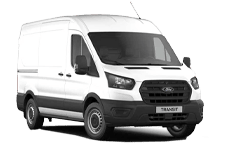
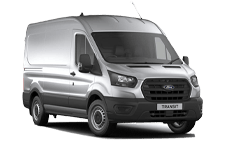
Cataloguing every toolbox, material stack, and passenger before reaching out to providers prevents sizing surprises. Commercial fleet availability fluctuates from day to day, so holding a clear tally of your tallest items lets staff propose realistic alternatives if your ideal model is out on loan. Crew-cab vans suit mixed transport, while high-roof panel vans maximise dry cubic capacity.
Questions before you book
What should I include in a van hire enquiry for Cressing?
Provide your estimated mileage, the number of passengers travelling, the dimensions of any oversized cargo, and your target pick-up and return times. Mentioning any physical access limits at your destination also helps suppliers advise on suitable chassis types.
How do I decide which van size to ask for in Cressing?
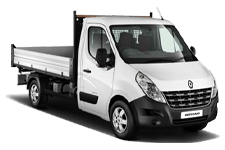
Calculate the combined weight and volume of your equipment alongside the number of crew who need a belted seat. If you are hauling heavy plant as well as several workers, double-cab layouts or larger commercial chassis usually offer a safer setup than standard panel vans.