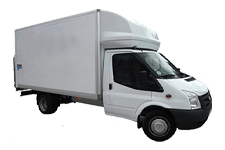
Transporting a team alongside equipment requires a careful balance between passenger space and secure load capacity. For projects in and around Christchurch, selecting the right layout early keeps your schedule on track.
Confirm rental criteria before choosing your vehicle
Driver credentials and endorsement limits vary between hire operators. Ask beforehand what proof of address, DVLA share codes, or licence categories are expected at the counter. Clarifying potential deposit amounts and payment method rules early prevents unexpected delays on collection morning.
Match passenger numbers to cargo volume
Combining colleagues and bulky gear often rules out a standard three-seat panel van. Dual-row crew cabs accommodate five or six workers while preserving a separate rear bay for tools and materials. Fleet availability can fluctuate across seasonal peak times, making it sensible to verify internal dimensions well in advance.
Build leeway into your pickup and return schedule
Unplanned delays on the road or slow site pack-downs quickly eat into tight booking slots. Enquire whether the branch offers grace periods or an out-of-hours key drop service. Scheduling extra breathing room reduces the pressure to rush through traffic at the end of a long working day.
Inspect the bodywork thoroughly at collection
Inspecting the vehicle exterior protects you against disputes upon return. Walk the perimeter alongside the depot attendant, checking high-roof corners, mirrors, and cargo bay linings for pre-existing scuffs. Capturing clear timestamped photos on your phone provides a reliable record before you leave the yard.
Questions before you book
What should I prepare before booking a van in Christchurch?
Ask the hire company which identity documents, licence verification codes, and security deposit methods they require before finalising your booking.
How do I work out which size of van to hire in Christchurch?
Measure your largest pieces of kit, count how many passengers must travel together, and consult the provider about payload limits to prevent overloading.