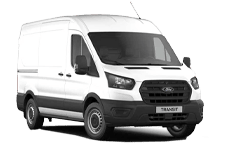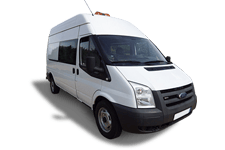
Choosing the right commercial vehicle around Chelford comes down to how your goods will be loaded, transported, and unloaded. Evaluating cargo bulk and site access points early prevents awkward delays on collection day and keeps your schedule intact.
Match the Driver and Access Limitations
Narrow gateways, low branches, and tight parking spaces can restrict larger vehicles before you even begin unloading. Verify that the nominated driver feels confident handling the vehicle's turning circle and width. Ask the supplier directly what driving licence categories, age limits, and identification records they require before booking.
Catalogue Bulky Items and Loading Needs
Tallying your longest and heaviest items gives a clear picture of cargo requirements. Distinct loading methods, such as needing a tail lift rather than standard double doors, alter the category of vehicle you need. Recording exact lengths and anticipated weights ensures the chosen payload comfortably accommodates your cargo.
Clarify Deposits, Protection, and Terms
Rental conditions vary widely, making it wise to raise administrative questions in advance. Ask how security deposits are held, what excess applies, and which driver protections are included. It is also sensible to clarify how fuel policies, punctures, and out-of-hours drop-offs are managed.
Factor Realistic Timescales Into the Booking
Packing delays, multiple stops, and transit times regularly push schedules beyond initial forecasts. Because local vehicle availability fluctuates across the week, reserving an adequate time buffer prevents unnecessary rush. Enquire how grace periods work and what happens if unforeseen circumstances require extending the hire.
Questions before you book
What should a van hire enquiry for Chelford include?
Specify cargo dimensions, total weight, expected journey distance, and preferred collection times. Remember to ask what licence checks, deposit payments, and insurance terms the hire company requires.
How do I decide which size of van to ask about in Chelford?
Measure your largest single items and check whether you require standing height or mechanical loading assistance. Comparing total load weight against vehicle payload limits prevents overloading and guides your final choice.