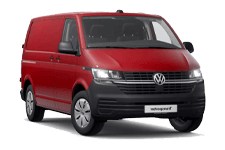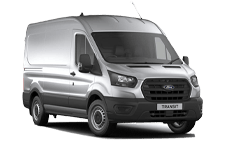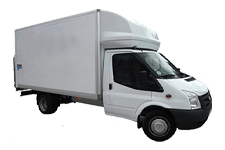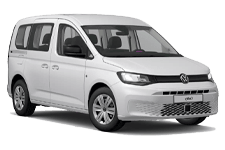
Arranging transport for bulky cargo calls for thoughtful preparation before you contact a hire desk. Setting out your schedule, measuring awkward items carefully, and noting your driving confidence will help the team guide you toward an appropriate vehicle.
Pin Down Realistic Schedules
Rushing to meet an impossible pickup slot creates unnecessary pressure on moving day. Factor in loading delays, road congestion, and your return journey when proposing hire hours. It is also wise to ask how weekend handovers operate if your project runs past closing.
Measure Awkward Cargo Accurately
Imagine shifting a tall display cabinet or a wide sofa that cannot be dismantled. Taking exact tape measurements of height, width, and diagonal clearance prevents booking a load bay that is centimetres too short. Because fleet availability can fluctuate during busy periods, sharing these figures early helps pinpoint suitable alternatives.
Gauge Driving Confidence Against Van Size
Larger commercial vehicles provide generous capacity but require greater caution around tight bends and low gateways. Balancing load volume against your comfort behind the wheel ensures a safer journey. If navigating broader wheelbases feels daunting, ask whether a medium model requiring two quick journeys would work better.
Clarify Paperwork and Conditions Early
Rental conditions, deposit requirements, and accepted payment methods differ across providers. Raising questions about required identification, excess waivers, and fuel return rules prior to your collection date keeps the handover painless. Knowing these expectations ahead of time leaves nothing to chance on collection morning.
Questions before you book
What should a van hire enquiry in Cambridge include?
State your anticipated collection and return times, the physical dimensions of awkward loads, and your preference regarding vehicle dimensions. You can also ask what licence checks, proofs of address, or deposits apply.
How do I choose the right size of van in Cambridge?
Measure your longest and bulkiest items beforehand rather than estimating volume. Balance those dimensions against your driving confidence in urban traffic, then ask the desk team which category best fits your cargo.