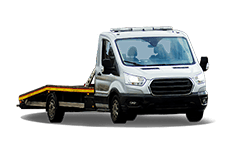
Selecting a commercial vehicle in Boroughbridge works best when starting with how your cargo will physically move. Evaluating access requirements, rental durations, and desk policies beforehand ensures collection day runs smoothly without unexpected complications.
Establish Project Details Early
Establish your route, estimated mileage, and who will be driving before reaching out for quotes. Having these facts ready allows providers to pinpoint matching vehicle classes quickly. Because local fleet availability can fluctuate across peak periods, approaching the provider early improves your chances of securing the ideal class.
Build Margins Into Your Schedule
Rushing an unloading job frequently leads to scuffs or missed return deadlines. Adding a deliberate buffer to your rental period accounts for heavy traffic and fatigue. Ask the branch about their standard operating hours, grace intervals, and whether safe out-of-hours drop-offs are permitted.
Match the Van to Your Loading Style
Focus closely on entry heights and load positions instead of raw cubic capacity alone. A customer comparing loading arrangements might consider whether a mechanical tail lift or a walk-in low floor suits their heaviest furniture. Checking internal tie-down points and side-door widths helps avoid dangerous shifting during transit.
Clarify Paperwork and Vehicle Handover
Review the supplier's checklist well in advance of departure. Ask what licence verification codes, deposit formats, and proof of address they will request at the counter. Request clarity regarding insurance excess levels and ensure you complete a thorough visual inspection with staff before leaving the premises.
Questions before you book
What should I sort out before enquiring about van hire in Boroughbridge?
Make a note of your planned mileage, driver licence details, and bulky item dimensions. It also helps to consider whether specialised access like a tail lift is necessary.
How should I work out how long to hire a van for in Boroughbridge?
Add extra packing hours to your expected road time rather than assuming optimum conditions. You can also ask the provider how flexible their return window is if unloading takes longer than planned.