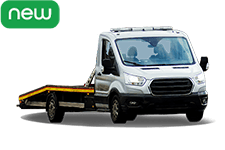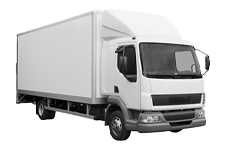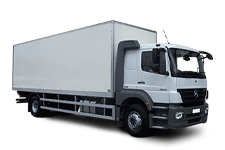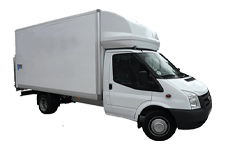
Securing a suitable commercial vehicle around Woolaston starts with understanding the physical demands of your haul. Because local yard fleets change from day to day, identifying your core requirements beforehand keeps the selection process straightforward. Use the steps below to pinpoint the vehicle format that best suits your cargo and your team.
Consider Access at Every Stop
Tight rural lanes, narrow gateways, or sloped driveways can quickly turn a large vehicle into a headache. Evaluating the approaches at both the collection point and final drop-off will prevent you from choosing a platform too long or tall to manoeuvre safely. Ask early on whether low bridges or turning restrictions along your expected journey might favour a more compact chassis.
Size the Cargo Before Choosing the Bay
Picture moving an unusually tall cabinet or an oversized workshop lathe; measuring outer dimensions is essential, but internal wheel arches and doorway clearance also matter. One awkward shape often dictates whether you need a box body, a curtain-sider, or a tail lift. Taking precise measurements of your bulkier possessions will stop you underestimating the necessary floor area.
Verify Driver Entitlements in Advance
Weight ratings determine who can legally take the wheel, making it vital to confirm your driver credentials prior to booking. Standard photocard licences cover vehicles up to 3.5 tonnes, whereas heavier classifications demand higher categories like C1. Enquire directly with providers about any driver age boundaries, required endorsements, or acceptable proof of entitlement.
Examine the Total Financial Picture
Daily rental figures tell only part of the story when balancing your budget. Make sure to discuss security deposits, fuel policies, and potential collision damage excess levels before confirming. Asking upfront how waivers work and whether mileage restrictions apply ensures no hidden surprises appear on the final invoice.
Questions before you book
What decides which truck I should hire in Woolaston?
Physical cargo dimensions, total weight, driver licence limits, and route access constraints all shape the correct choice.
What if two trucks both look suitable for my job?
Favour the vehicle offering easier loading access or a tail lift, provided your driver holds the required category.