Moving a working crew alongside bulky tools and materials demands careful vehicle coordination. Before setting off from Wonston, identifying how your passengers and equipment will share space avoids compromises on the road.
Defining Your Crew and Cargo Needs
Begin by outlining the full scope of your assignment. A job that involves ferrying tradespeople together with trade supplies requires a clear split between seating capacity and load bed area. Specifying your passenger numbers and cargo dimensions early makes it easier to assess suitable vehicle classes, though fleet availability can vary depending on seasonal demand.
Selecting the Appropriate Cab and Body Style
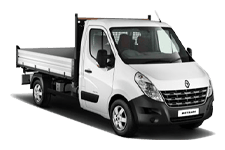
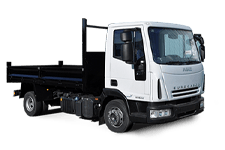
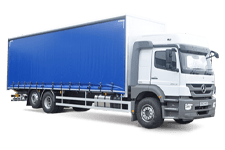
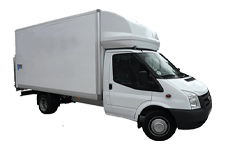
Crew-cab configurations provide dedicated seats for your team behind the front row, whereas standard cabs prioritise total bed length. Heavy machinery or crated goods may call for a box body with a tail lift, while loose construction gear might suit a dropside or tipper. Balancing payload limits against cabin space ensures neither worker comfort nor carrying capability is sacrificed.
Evaluating Site Access and Travel Corridors
Navigating rural lanes, tight gateways, or restricted trade entrances around Wonston requires advance thought on turning circles and overhead clearances. Low bridges, weight-restricted bridges, and tree canopies can quickly disrupt a multi-stop working day. Plotting a workable route ahead of time prevents difficult reversing manoeuvres when arriving at an unfamiliar depot or private property with a laden vehicle.
Confirming Driver Eligibility and Terms
Drivers will want to verify which categories on their photocard licence permit operating larger commercial chassis. Take time to ask the provider about accepted licence endorsements, minimum age conditions, and what identification documents must be presented at handover. You can also enquire directly about security deposit methods, fuel policies, and insurance excess options before finalising arrangements.
Questions before you book
How far in advance should I enquire about truck hire?
Reaching out as early as your project schedule is set gives you the widest choice of vehicle sizes. Booking ahead is particularly helpful if your team requires a specific layout such as a crew cab or tail lift.
Can I extend my hire once it has started?
Contact the provider as soon as an unexpected delay occurs. Extensions usually rely on vehicle scheduling and whether another customer has reserved the truck for subsequent work.