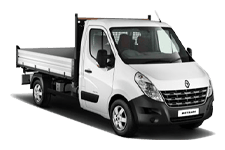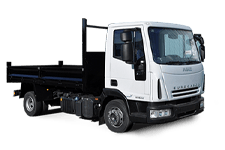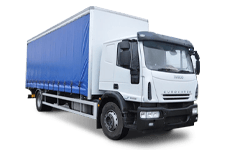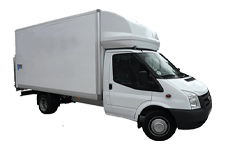
Moving a working crew alongside tools and raw materials requires a balanced plan. If three colleagues need to travel in the same cab while hauling heavy gear to a job around Wingham, total payload matters just as much as seating. Starting with an exact tally of passengers and cargo keeps the entire assignment on track.
Balancing Crew Seating with Cargo Space
Space in the cargo hold means little if your workers cannot travel together safely and legally. Double-cab models reduce the logistical hassle of taking a secondary car, yet extra seating directly reduces the remaining payload capacity. Calculate the combined weight of your tools, hardware, and passengers before committing to a specific weight bracket.
Mapping Access Points and Tight Approaches
Rural lanes, overhanging branches, and narrow gateways can quickly halt an oversized vehicle. Walking the destination site beforehand highlights tight turning circles, soft ground, and overhead obstacles that could cause vehicle damage. Checking your route in advance prevents forced detours down constricted residential roads that suit lighter traffic.
Confirming Driver Categories Before Setting Off
Driving credentials determine exactly which gross vehicle weights your team can operate legally. Standard motoring licences cover everyday weight thresholds, while larger commercial chassis demand specific categories or grandfather rights. You can ask your provider beforehand what photocard endorsements, licence check codes, or age requirements apply across their fleet.
Structuring the Timetable and Hire Terms
Rental schedules run smoother when you build realistic buffers into loading, transit, and unloading routines. Particular truck sizes or specialised cab layouts are sometimes subject to limited availability, so organising dates early prevents operational compromises. Inquire about security deposit arrangements, collision waiver options, fuel replacement terms, and out-of-hours key returns prior to collection.
Questions before you book
How do I choose the right truck for a job in Wingham?
Begin by calculating the combined weight of your equipment and all travelling personnel against lawful payload ceilings. Evaluate the narrowest stretches along your travel corridor, and establish which members of your team hold the appropriate licence categories to drive the vehicle.
Is the biggest truck always the safest choice for Wingham work?
Not necessarily. While substantial volume handles bulky crates with ease, extended chassis can struggle with restricted rural access, sharp field entrances, and on-street parking. Selecting the most compact vehicle that securely holds your payload usually makes navigating local roads far more straightforward.