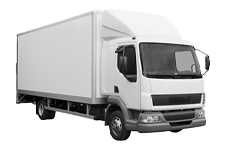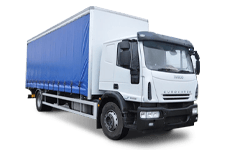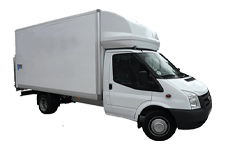
Selecting the right truck in Wincham begins with the physical realities of what you are transporting. Looking closely at cargo bulk, driver credentials, and delivery access ensures you choose a practical vehicle without guesswork.
Assess the True Dimensions of Your Cargo
Bulky items often determine the vehicle layout long before weight becomes a problem. Measure the tallest and widest pieces carefully, allowing spare room for doorways, wheel boxes, and tie-down points. Certain goods fit cargo bay floors on paper yet prove difficult to load through narrow rear frames or onto tail lifts.
Check Permitted Categories on Your Driving Licence
Standard licence categories dictate the truck classes you can drive without specialist qualifications. Reviewing your licence details beforehand prevents booking a chassis you cannot legally operate. Ask the hire desk about any extra driver checks, minimum age terms, or endorsement rules they apply.
Evaluate Route Clearance and Parking Footprints
Navigating a broad chassis through tight turns or into residential drives requires realistic planning. Consider overhead tree clearance, parking space, and rear door access at both ends of the journey. If manoeuvring space is tight, a slightly shorter wheelbase may prove far easier to handle.
Clarify Deposit Terms and Vehicle Availability Early
Vehicle availability can fluctuate depending on demand, so checking options ahead of time is always sensible. Discuss deposit requirements, fuel return expectations, and insurance excess policies directly with the rental company. Sharing your cargo measurements and route constraints lets staff recommend an appropriate configuration.
Questions before you book
How do I choose a suitable truck to hire in Wincham?
Measure your largest items, estimate total load weight, and verify your licence categories. Enquire about internal dimensions and tail lift options with the hire company to find a matching model.
What if my load falls between two truck sizes in Wincham?
Choosing the slightly larger option prevents overloading and avoids second trips, provided access permits. Speak to the provider about payload capacities if you are uncertain whether weight or volume is your main constraint.