Organising a substantial haul demands more than just guessing cargo volume. Whether you are relocating workshop tools or coordinating a long-distance project with friends taking turns behind the wheel, making thoughtful decisions early saves hours later on. This guide outlines how to select the right chassis, check driver credentials, and schedule your mileage efficiently.
Assessing Weight Alongside Volume
Heavy items often reach a vehicle's maximum legal payload long before physical cargo space runs out. Bulky furniture or packed archive crates can surprise you, so take stock of dense materials early. Enquire with the provider about exact tare weights and payload allowances before committing, ensuring everything fits safely within statutory road boundaries.
Selecting an Appropriate Body Configuration
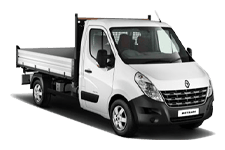
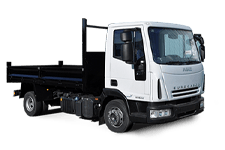
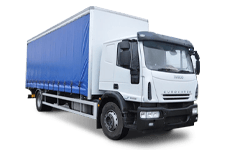
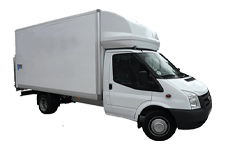
Box vans featuring tail lifts suit tall furniture or stacked boxes, whereas curtain-siders or dropside beds make palletised goods significantly simpler to load from the side. High roofs protect belongings against sudden wet weather, while open beds handle awkward architectural salvage. Vehicle models and body styles often fluctuate based on seasonal demand, so checking current fleet availability early avoids last-minute compromises.
Preparing Shared Drivers and Licence Entitlements
Standard car licences generally cover vehicles up to 3.5 tonnes, whereas heavier commercial categories require higher entitlements acquired before specific cut-off dates. If your group plans to swap drivers during a prolonged trek, confirm whether each motorist must be pre-registered on the rental paperwork. Ask your hire provider about any age thresholds, endorsement restrictions, or extra-driver administrative fees.
Coordinating Schedules and Travel Windows
Calculating driving stints and fuel stops prevents fatigue, especially when navigating unfamiliar routes in a larger commercial chassis. Factor in loading durations at both ends of the journey, alongside bridge heights or narrow village lanes. Clarify pickup and drop-off return arrangements beforehand, asking what happens if unexpected transit delays push your return past operating cut-offs.
Questions before you book
Can I drive a hired truck on a normal car licence?
Category B licences usually permit vehicles up to 3,500kg gross vehicle weight. Driving larger, heavier lorries demands additional categories such as C1 or C, so verify your photocard counterpart and confirm provider terms before reserving.
How do I know which truck suits my load?
Weigh your heaviest items and measure the tallest pieces against internal box dimensions. Discussing cargo specifics directly with the hire company allows them to advise whether a Luton tail-lift or flatbed best matches your transport requirements.