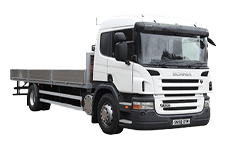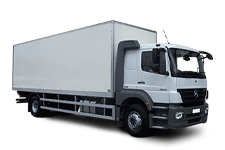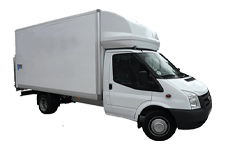
Transporting a crew alongside work gear requires balanced planning right from the start. Setting realistic parameters for a hire truck in Shirland and Higham ensures your team arrives together without compromising on payload or facing rushed turnarounds at either end of the booking.
Prioritise Payload and Passenger Numbers First
Start by mapping out both the equipment volume and the number of colleagues travelling. Squeezing tools and passengers into an undersized model risks payload issues, whereas spelling out total seat requirements and load weight enables rental providers to recommend suitable cab configurations.
Account for Loading Delays in Your Schedule
Base your reservation window on the full operational day rather than pure road travel time. Packing sensitive gear, strapping equipment down securely, and negotiating morning traffic invariably take longer than anticipated, so adding buffers prevents late return penalties.
Clarify Collection and Hand-back Logistics Early
Vehicle availability fluctuates throughout the working week, so ask upfront about collection cut-offs and whether out-of-hours drop-offs are permitted. It pays to query how fuel checks and vehicle condition inspections are recorded so that expectations match on return.
Settle Driver Eligibility Ahead of Booking
Decide early who will take the wheel during the project. Confirm with the company what licence checks, age criteria, or endorsement limits apply to additional drivers, rather than attempting to update paperwork at the handover desk.
Questions before you book
How should collection and return windows be managed in Shirland and Higham?
Enquire directly about desk opening times and vehicle return protocols before confirming your dates. You should clarify whether keys can be deposited after closing and how fuel level assessments or physical damage walk-rounds are handled.
What details ensure an accurate commercial truck quotation?
Outline the size of your team, estimated cargo weights, planned mileage, and total travel dates. Ask the hire firm to specify any security deposit rules, documentation requirements, or insurance excess structures beforehand.