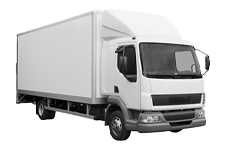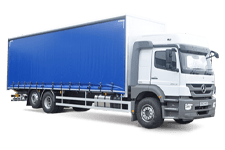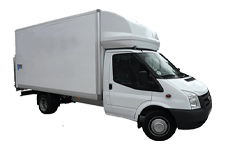
Taking charge of a larger commercial vehicle for the first time brings unusual challenges, particularly if you are loading cumbersome freight without prior practice. Organising truck hire in Ringmer works best when you establish your operational limits before committing to the road.
Plan collection and drop-off around realistic turnaround times
Allow ample leeway between picking up the keys, completing initial vehicle checks, and travelling to your loading point. Rushing through the return slot creates unnecessary stress, so double-check the hire desk's return expectations and any out-of-hours handover arrangements beforehand.
Decide on your designated driver early
Operating a hired truck demands confidence with wide turns, high seating positions, and altered blind spots. Nominate someone comfortable with substantial vehicles, and ask ahead regarding licence eligibility criteria, age thresholds, or any verification the provider requires to approve drivers.
Highlight critical vehicle features right away
Certain tasks require specialised body configurations such as a hydraulic tail lift, internal tie-rails, or specific roof clearance. Because fleet availability fluctuates over busy periods, asking about non-negotiable handling equipment early on prevents arriving on site with an unsuitable vehicle platform.
Share the nature of the freight with the hire team
First-time hirers often underestimate awkward dimensions or weight distribution across the axle lines. Outlining what you intend to shift, whether industrial machinery, pallets, or bulky furniture, allows experienced fleet teams to offer advice on payload safety and securing points.
Questions before you book
How do I organise a truck hire booking in Ringmer?
Reach out to local providers with your proposed dates, route distance, and cargo volume. Inquire about driver vetting procedures, deposit requirements, and how morning collection slots work so your timeline stays realistic.
What should a truck hire enquiry for Ringmer include?
Detail the type of goods you are moving, whether a tail lift is necessary, and who will be driving. You can also ask what forms of identification are preferred, how fuel policies work, and what insurance options apply.