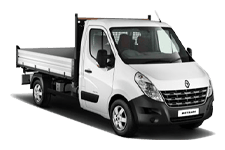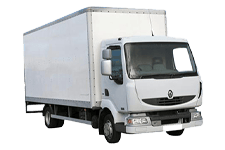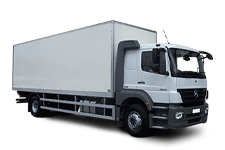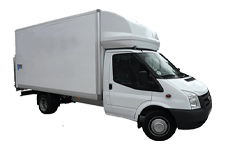
Selecting a commercial vehicle works best when you plan backward from the loading area rather than guessing overall weight. Assessing how freight enters the body, whether through hydraulic tail lifts, forklift bays, or manual ramps, settles your core requirements before comparing available options.
Assessing Surface Conditions and Approach Space
Narrow approach lanes, loose gravel, or low utility lines quickly eliminate larger rigid chassis. Take note of where the truck must remain stationary while working, watching for slopes that could hinder tail-lift safety or cargo restraint. Checking clearance limits early ensures smooth departures once goods are stowed, avoiding awkward turnaround manoeuvres.
Confirming Entitlements Across Your Driving Team
Licence categories frequently set boundaries faster than physical cargo volume. Basic category B permits cover light commercial vans up to 3.5 tonnes, whereas heavier platforms necessitate C1 or full category C entitlements. Ask rental providers about acceptable licence codes, endorsement restrictions, and additional driver registration rules before assigning someone to the wheel.
Reviewing Cargo Geometry and Handling Gear
Tall crated machinery demands generous internal aperture, while loose parcels benefit from lower loading sills and integrated tie rails. Decide early if a powered tail lift is essential or if walk-in ramps provide faster access for your team. Specific chassis layouts and body fixtures can vary depending on fleet availability during peak periods.
Clarifying Hire Periods and Billing Boundaries
Tight collection windows leave little room for error if loading takes longer than anticipated. Ask prospective hire desks how they calculate daily return thresholds, what distance allowances apply, and what fuel replacement terms apply at check-in. Establishing deposit release intervals and out-of-hours return options in advance helps keep your operational budget predictable.
Questions before you book
How do I pick the right truck for my job in Newburgh?
Calculate your freight volume, verify the exact surface and height access at each stopping point, and ensure your designated driver holds the correct licence entitlement for the vehicle's gross weight.
What should a first truck hire enquiry from Newburgh include?
Provide details on cargo dimensions, your preferred loading method such as a tail lift or curtainside, anticipated mileage, and the licence categories held by those driving.