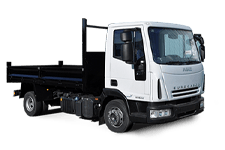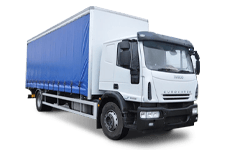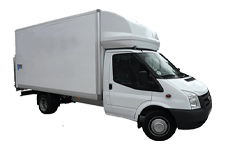
Selecting the right commercial vehicle often involves balancing sheer load space against how comfortable you feel handling a heavier chassis on narrower stretches of road. Finding a sensible compromise prevents redundant trips without making the driving experience needlessly stressful. This practical guide highlights key factors to weigh before reserving a vehicle for your move or project.
Sizing the Payload Against Everyday Manoeuvrability
Bulkier freight naturally points towards larger cargo boxes, yet oversize wheelbases can turn minor detours and rural junctions into demanding challenges. Calculate the exact footprint of your bulkiest items before deciding on a vehicle tier. Accepting an extra short turnaround in a nimble 3.5-tonne vehicle may prove far less taxing than guiding an unfamiliar 7.5-tonne truck through restricted spaces.
Clarifying Essential Equipment from the Outset
Critical loading requirements ought to steer your earliest conversations. State immediately if your cargo demands a hydraulic tail lift, internal strapping points, or low-sill side access for hand-loading. Detailing low bridge clearances or restricted driveway widths at either end allows hire staff to guide your choice, although specific body types can be subject to fluctuating fleet availability.
Confirming Driver Entitlements in Advance
Driving entitlements set firm boundaries on which trucks you can legally pilot. Standard UK car licences obtained after January 1997 typically cap gross vehicle weight at 3,500kg unless professional categories have been added. To prevent wasted effort, check your photocard categories beforehand and ask the provider which documentation, age restrictions, and security deposits they mandate before releasing keys.
Aligning Hire Duration with Realistic Road Time
Journey times always stretch when managing heavy weights and unfamiliar vehicle dimensions. Generous schedule buffers give you breathing room to secure ratchets properly, reverse into loading bays cautiously, and top up diesel without rushing. Be sure to ask how weekend drop-offs are handled, what roadside assistance is included, and whether collision damage waivers cover upper bodywork.
Questions before you book
How do I choose a suitable truck to hire in Marldon?
Assess the combined volume and weight of your goods against the tightest roads on your route. Balancing adequate internal dimensions with manageable handling ensures you do not struggle with navigation. Additionally, verify which vehicle weights your driving licence covers and check whether special features like tail lifts are necessary for your cargo.
What should a truck hire enquiry for Marldon include?
Specify your planned travel dates, cargo dimensions, and whether you require equipment such as lashing rails or a tail lift. It is also helpful to mention any access limits at collection or drop-off points, and to ask the provider about required paperwork, deposit conditions, and out-of-hours return policies.