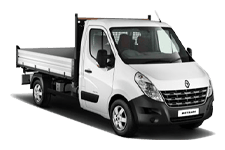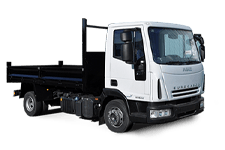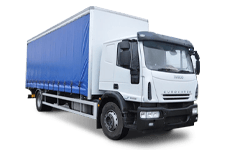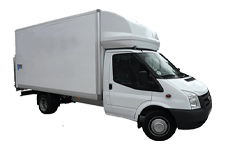
Arranging commercial transport starts with logistics rather than simply selecting a vehicle weight class. Assessing who holds the correct entitlement, how freight gets shifted, and when the keys must be returned prevents sudden complications on collection day.
Clarifying Licence Categories Early
Driving larger transport requires verifying licence categories across your intended team beforehand. You will want to ask suppliers what endorsements their fleet requires, alongside what documentation they expect to inspect at collection. Establishing who can legally take the wheel stops you from reserving a chassis cab or box vehicle that sits idle.
Evaluating Access and Loading Options
Freight handling varies significantly depending on whether goods sit on pallets or require manual shifting. Consider whether a hydraulic tail lift simplifies the task, or if tight roadside spaces at either end make side access more sensible. Sharing precise site clearances helps rental desks identify suitable equipment, though specific vehicle configurations remain subject to seasonal availability.
Reviewing Financial Terms and Protection
Quotations often separate primary hire fees from operational contingencies. Inquire early about deposit calculations, fuel replacement policies, and mileage allowances before confirming anything. Crucially, check how the provider structures liability for vehicle damage and whether goods carried in transit demand separate cover arranged through your own insurer.
Coordinating Collection Around Working Hours
Scheduling vehicle pickup calls for a realistic timeline that accounts for loading delays and return deadlines. Ask what grace periods operate if depot return times coincide with traffic hold-ups or out-of-hours drop arrangements. Fitting collection times around loading crews rather than rushing transit keeps the operation running steadily.
Questions before you book
What details should I prepare for a Madron truck hire enquiry?
Detail your route, payload dimensions, estimated cargo weight, and preferred loading arrangement like a tail lift. Mentioning who is driving and their licence entitlement also assists the hire desk in recommending compliant vehicles.
Does standard hire cover include the cargo in the back?
Rental packages generally address third-party liability and damage to the vehicle itself, leaving cargo unprotected. Ask the provider directly what transit protections apply, as commercial loads often require dedicated goods-in-transit cover.