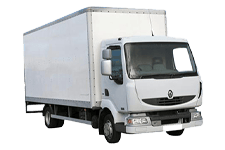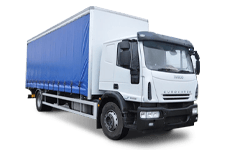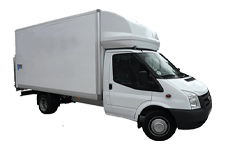
Organising a commercial vehicle around Leatherhead works best when you map out the day's route before focusing purely on tonnage. When your schedule involves delivering goods across multiple stops, ease of access, kerbside parking, and tailgate operation quickly become vital considerations. Working through the following four decisions will help you secure the most practical truck for the job.
Prioritising Cargo Dimensions and Loading Style
Heavy machinery, tall display units, and palletised inventory each call for distinct body types. Enclosed box vans shield items from wet weather, whereas drop-side beds simplify side-loading with forklifts. Luton bodies fitted with hydraulic lifts assist with heavy single items. Measuring your largest items beforehand ensures you choose an internal layout that accommodates the cargo without exceeding permitted payload figures.
Evaluating Route and Multi-Drop Logistics
Consider a scenario where you are scheduling several separate drop-offs on one run. Opting for a spacious box truck saves extra journeys, yet narrow gateways, tight cul-de-sacs, or low branch canopies can restrict larger chassis. Checking physical clearance, delivery bays, and parking regulations across every planned stop ensures the vehicle remains practical from departure to final delivery.
Aligning Driver Entitlement with Gross Weight
Licence categories determine precisely what size of vehicle your team may legally drive. A standard UK car licence generally limits the driver to vehicles up to 3,500kg, whereas larger commercial trucks necessitate C1 or C classifications. Checking whether older licences carry grandfather rights or if tachograph rules apply to your run avoids booking a weight class your driver cannot take on the road.
Clarifying Terms and Booking Questions
Costs and administration should always be settled well before departure. Ask your provider about fuel policies, daily mileage limits, security deposit amounts, and procedures for late handovers. Because specific truck categories may not always be available without notice, outlining your operational timings early guarantees transparent pricing and helps the supplier accommodate your timetable smoothly.
Questions before you book
How do I choose the right truck for a hire in Leatherhead?
Calculate the combined weight and volume of your cargo first, then evaluate the physical access at your loading and unloading points. Considering whether you need special features, like a tail lift, also narrows down your choice.
What should a truck hire enquiry for Leatherhead include?
State the nature of the cargo, your collection and return dates, expected mileage, and driver licence categories. Asking about deposit procedures, insurance conditions, and out-of-hours return options will ensure you receive accurate guidance.