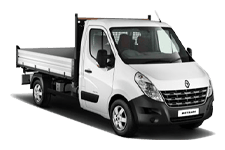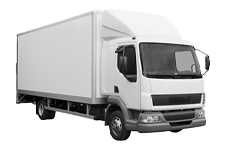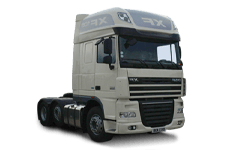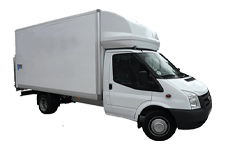
Organising equipment collection for a brief commercial job requires a methodical approach to choosing transport. Setting clear parameters early prevents last-minute scrambles, especially when a small business contract depends on shifting tools, staging, or specialised machinery within a tight operational window. This decision guide breaks down each practical choice in logical order.
Evaluating Equipment Bulk and Payload
Heavy flight cases, display units, and unwieldy gear rapidly eat into both cargo volume and legal payload limits. Taking accurate measurements of the longest and heaviest items beforehand prevents you from ending up with an undersized load bed. Because regional vehicle availability fluctuates from week to week, identifying your exact capacity needs early simplifies finding a capable truck.
Scheduling the Operational Window
Tight work schedules generally leave very little room for logistical slip-ups. Build realistic cushions into your itinerary for loading, strapping down freight, and clearing traffic between jobs. Rushing through transit to beat an aggressive drop-off deadline introduces unnecessary stress, so evaluate whether reserving a full day provides a wiser buffer than a high-pressure half-day window.
Selecting and Preparing the Driver
Behind-the-wheel responsibilities ought to be settled well in advance of the collection date. Double-check which team members hold valid licence categories for medium-sized goods vehicles and feel comfortable handling larger dimensions. Enquire with potential hire companies regarding their minimum driver age brackets, driver record thresholds, and the precise proof of identity they expect at the counter.
Reviewing Commercial Terms and Protection
Headline rental figures only tell part of the story until you evaluate the full financial arrangement. Put together a checklist to ask about pre-authorisation deposits, daily mileage limits, refuelling expectations, and damage liability terms. You might also want to ask whether your existing business insurance extends to hired commercial transport or whether supplementary collision waivers are required.
Questions before you book
What should I plan before booking a truck in Kessingland?
Calculate the dimensions and approximate weight of your cargo, confirm who will drive, and establish a realistic schedule for loading and return. It is also wise to prepare questions for the hire firm regarding their deposit sizes, driver criteria, and handover times.
Does an enquiry about truck hire in Kessingland reserve a vehicle for me?
An initial enquiry usually only confirms possible vehicle categories and estimated rates rather than holding a specific truck. A firm booking normally requires completed paperwork and payment details, so verify reservation conditions directly with the provider.