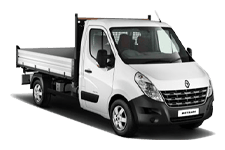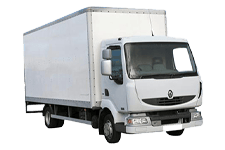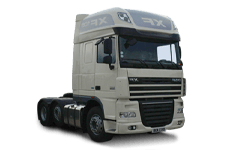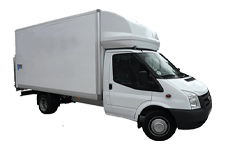
Moving heavy equipment or furniture over substantial distances with a full team requires a methodical choice of vehicle. Focusing on cab capacity, access constraints, and realistic weight limits prevents costly surprises once your journey from Horam begins.
Survey Access Points and Route Clearances First
Tight country lanes, low railway bridges, and restricted driveways can halt a larger vehicle before it reaches the pickup address. Mapping out turning circles and overhead branches ensures you do not select a chassis too unwieldy for the physical space.
Verify Driver Eligibility and Cab Layout
Transporting several crew members alongside cargo means confirming cab seating arrangements ahead of time, as not every commercial vehicle provides more than two passenger seats. You will also want to query what driving licence categories apply to various gross weights, and whether split driving duties require additional registration.
Factor Total Weight Against Real Cabin Capacity
Calculating your payload requires including the combined mass of passengers, personal kit, and fuel alongside the actual freight. Exceeding gross limits poses genuine hazards on long motorway legs, so reserving a model with a modest margin for error is prudent, though fleet availability can fluctuate during busier periods.
Clarify Financial and Operational Conditions
Rental agreements carry specific rules that pay to inspect early. Ask your hire provider how mileage allowances work on longer journeys, what security deposits or waiver excesses apply, and what paperwork they need to see prior to vehicle collection.
Questions before you book
How do I match the right truck to my job in Horam?
Start by listing your total passenger count alongside realistic cargo measurements, then compare these requirements against route clearance restrictions. Asking the rental desk to confirm cabin layouts and vehicle payload ratings will pinpoint an appropriate match.
What if my load points at two different truck sizes in Horam?
Choosing the slightly larger category generally protects against unexpected overloading and cramped cab space, provided your drivers hold the relevant entitlement. Discussing your exact itinerary and load profile with the provider helps clarify which option offers safer handling.