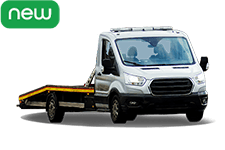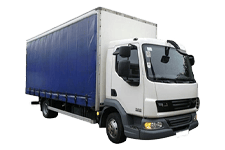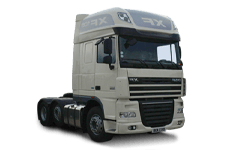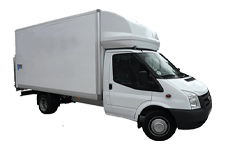
Arranging a larger commercial vehicle for the first time can quickly feel daunting, especially when tackling bulky freight or awkwardly shaped equipment. Sharing a clear picture of what you plan to shift enables hire providers to suggest an appropriate platform without leaving you overstretched behind the wheel.
Mapping Out Weight and Bulk
Begin by cataloguing everything you intend to transport, taking note of heavy machinery, dense materials, or oversized crates that might challenge standard cargo holds. Estimating rough dimensions alongside total weight gives rental desks a realistic baseline for chassis type and required payload capacity. Mentioning irregular shapes or unstable loads early also prompts guidance on whether you might need dedicated internal tie-down rails or load-securing bars.
Evaluating Access at Both Addresses
Narrow country lanes, tight entry gates, low overhead branches, or cramped domestic driveways can instantly complicate an otherwise simple delivery run. Consider whether ground-level loading requires an integrated hydraulic tail lift, or if standard ramps and flatbed access will suffice at both pickup and drop-off points. Flagging these environmental constraints in your initial message ensures the recommended truck can physically reach each address without causing delays.
Clarifying Category Entitlements Early
Driving privileges vary significantly according to gross vehicle weight ratings, with heavier trucks demanding specific vocational entitlements on your photocard. Asking the team directly about current category thresholds, acceptable driver endorsements, and paperwork requirements prevents frustrating delays on collection day. Fleet availability can fluctuate depending on seasonal trade, so confirming eligibility before finalising your schedule ensures you secure a compliant vehicle on time.
Outlining Timescales and Financial Queries
Unfamiliar loading routines frequently take longer than planned, making realistic collection and return windows essential to your schedule. Enquire about out-of-hours drop-off procedures, deposit payment structures, potential fuel policies, and insurance excess options beforehand. Raising these financial and operational questions early helps you build a transparent budget while giving your team adequate breathing room to complete the task safely.
Questions before you book
How should I prepare a truck hire enquiry in Harling?
Start with a rough breakdown of your cargo's bulk, both route points, and your driver's licence categories. Asking about deposit policies, damage cover options, and return protocols beforehand ensures all administrative requirements are understood before booking.
What information does a Harling hire firm need to recommend the right truck?
Providers generally need estimated cargo weights, physical dimensions, loading ground conditions, and the distance planned. This information allows them to match you with a vehicle that accommodates your payload safely while matching your driving credentials.