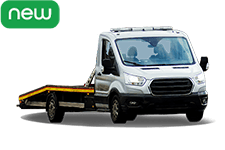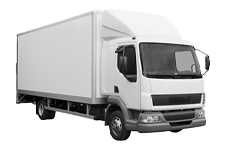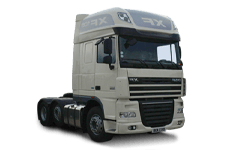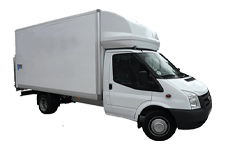
Getting your cargo arrangement right before booking saves both time and unnecessary repeat trips. Whether you are shifting bulky workshop equipment or moving house, choosing the right platform depends as much on handling and access as it does on sheer cubic capacity.
Gauge dimensions alongside total cargo weight
Bulk often deceives the eye, especially when long timber, tall appliances, or rigid crates are involved. A customer weighing up ramp access against an automated tail lift, for instance, must consider how individual heavy pieces will be shifted safely onto the bed. Taking tape measurements of your largest items ensures you do not run out of headroom before the weight allowance is reached.
Map out your access points and parking space
Tight turning circles, overhanging trees, and narrow residential gateways quickly complicate drops in residential areas. A large vehicle might take the entire load in a single run, yet prove impossible to settle safely outside your property. Always check that the drop-off point permits sufficient clearance for loading doors to swing wide open.
Verify category entitlements on your driving licence
Standard UK car licences typically restrict drivers to vehicles under 3.5 tonnes gross vehicle weight unless grandfather rights apply. Driving heavier commercial models usually requires a category C1 endorsement on your photocard. Ask your hire provider early about which licence categories their available fleet requires, alongside what identification papers they need to inspect.
Share your full itinerary with the rental team
Describing the exact nature of your goods allows rental staff to suggest practical tie-down points or suitable box configurations. Fleet availability can fluctuate depending on seasonal demand, so reserving in advance gives you broader choice. Be sure to ask about deposit policies, fuel return expectations, and weekend handover arrangements during your initial call.
Questions before you book
How do I pick the right truck for my job in Four Marks?
Start by calculating both the cubic volume and the heaviest individual components of your cargo. Match these against route constraints and parking limits to decide whether a standard Luton, box van, or larger flatbed is the most manageable choice.
Is it better to hire a bigger truck than I think I need?
Extra space prevents cramped loading, but larger bodies bring trickier navigation and stricter licence criteria. Weigh the ease of driving a moderately sized truck against the convenience of fewer journeys before settling on an oversize option.