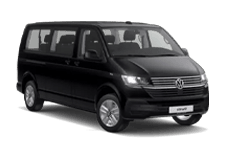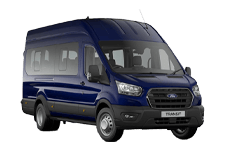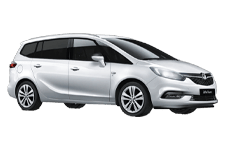
Planning a commercial run or work project around Lympne often means balancing crew seating with equipment space. Setting out your exact payload and itinerary upfront prevents booking a vehicle that leaves essential gear behind.
Balance Seating Needs Against Tool and Kit Space
Work parties rarely travel light, especially when surveying equipment, toolboxes, or trade materials accompany the team. Specify how many passenger seats you can afford to sacrifice for cargo, or whether you need a longer wheelbase with a dedicated rear bulkhead. Detailing equipment volume early ensures you avoid compact passenger layouts that lack practical luggage depth.
Flag Tight Approaches and Field Access Points
Rural routes around Lympne feature narrow single-track lanes, low-hanging branches, and restricted gateways leading to worksites or rural estates. Note any known height barriers, unpaved farm tracks, or awkward turnarounds your itinerary involves. Rental specialists can then suggest a suitable vehicle profile that handles countryside corners without risking scrapes or getting trapped in soft verges.
Confirm Licence Categories for Nominated Drivers
Behind every team trip sits the practical question of who holds permission to drive the vehicle. Check the standard licence categories on your colleagues' photocards beforehand, particularly if several people plan to share the driving during long shifts. Enquire directly about what paperwork is needed, whether business cover applies, and if specific driver age limits exist.
Map Out Working Timings and Return Windows
Early call times or late site finishes require clear schedule buffers so nobody rushes the return journey. Fleet availability fluctuates throughout the season, so outline your required pickup and drop-off windows as early as possible. Clarify what identification your representative must present on collection, and ask whether out-of-hours drop boxes operate if work overruns.
Questions before you book
What should a minibus hire enquiry for Lympne include?
Outline your exact passenger count alongside the rough volume of tools or kit. Adding key route points, expected daily mileage, and driver licences helps suppliers match the right vehicle layout.
Why is one complete message better than piecemeal enquiries in Lympne?
Standard minibuses leave minimal boot space when full. Providing all cargo, timing, and route details in one go prevents quotes based on standard assumptions that fail to fit your equipment.