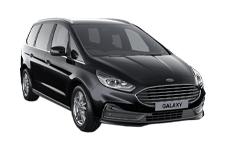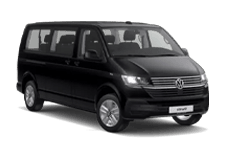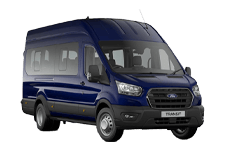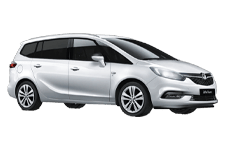
Setting out on a work trip from Goring with both colleagues and equipment calls for sensible groundwork. Taking stock of cargo demands alongside your passenger list ensures the vehicle you request matches the job.
Building flexibility into your travel schedule
Journey itineraries unravel quickly when loading periods are treated as an afterthought. Build in a generous cushion for packing survey gear or presentation cases before setting off. It also helps to ask how key returns work if an evening meeting overruns and you arrive back outside standard desk hours.
Balancing passenger seating with payload volume
Boot capacity diminishes swiftly once all passenger seats are taken. If a five-person crew needs space for flight cases or stands, requesting a vehicle with extra seating rows left empty can prevent compromised safety. Fleet availability in Goring fluctuates across busy trading periods, so flagging cargo dimensions early helps secure a workable layout.
Clarifying deposits and protection terms
Initial estimates only show part of the financial commitment until you clarify the small print. Ask early on about required deposit amounts, accepted payment methods, and what excess protection covers. Sorting these details beforehand keeps project expenditure predictable for your organisation.
Checking driver criteria before delegating keys
Colleague rotas should never be finalised without checking who can legally drive the vehicle. Different weight ratings may demand distinct licence categories or specific age thresholds. Clarifying these criteria and asking whether adding a relief driver incurs extra charges removes friction at the counter.
Questions before you book
What should a Goring minibus hire enquiry contain?
Provide your travel dates, estimated passenger numbers, and an honest outline of bulky work gear. Highlighting any intention to share driving duties also helps the provider recommend suitable options.
Does sending an enquiry hold a minibus in Goring?
An enquiry starts a conversation on vehicle choices and pricing rather than securing a van. Vehicle allocation usually occurs only after both parties agree on rates, driver checks, and booking conditions.